
Optimal Timing for Storm Restorations
Determining the optimal time for storm restorations involves considering seasonal weather patterns, recent storm activity, and regional climate conditions. The goal is to perform repairs when weather conditions are stable to ensure safety and quality of work. Typically, the period following a major storm or hurricane season presents the best opportunity to address damages before the next weather event occurs.
Conduct inspections immediately after storms to assess damage and plan restorations promptly.
Scheduling repairs during off-peak seasons can reduce costs and avoid delays caused by high demand.
Perform restorations when weather forecasts predict stable conditions, minimizing risks and ensuring quality.
Monitor local storm patterns to identify the most suitable windows for restoration work.
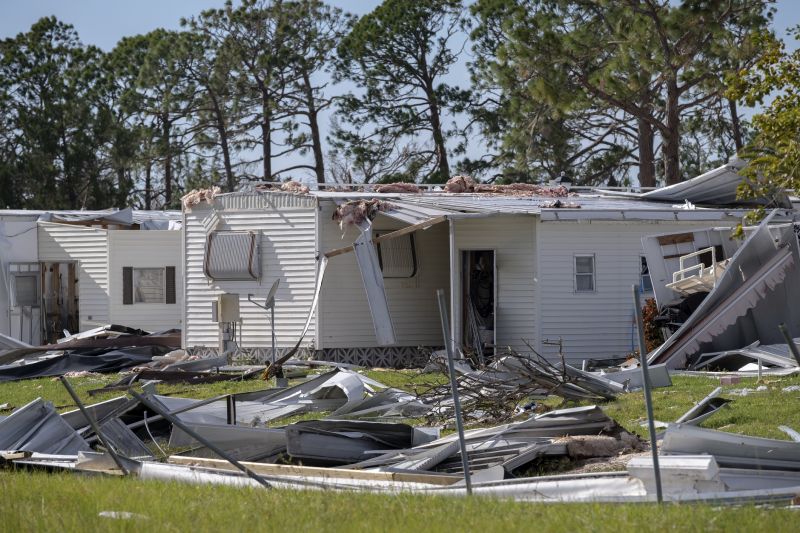
Assessing damage promptly after storms helps prioritize restoration efforts.
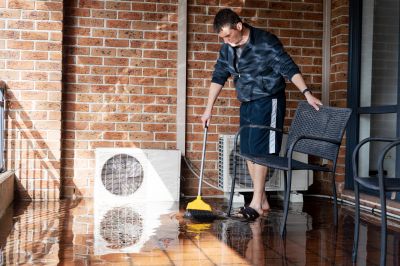
Scheduling during favorable weather ensures efficient repairs.
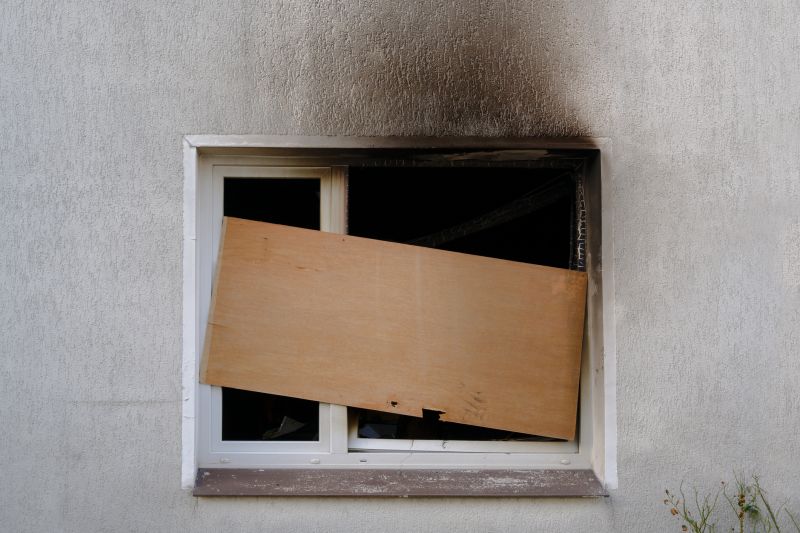
Timely restoration minimizes further damage and reduces costs.
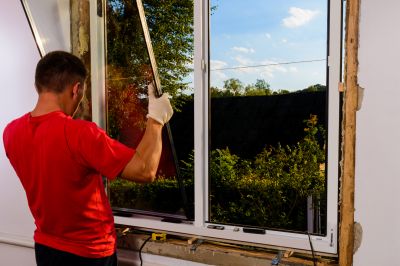
Ways to make Storm Restorations work in tight or awkward layouts.
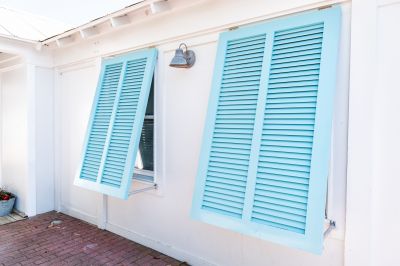
Popular materials for Storm Restorations and why they hold up over time.
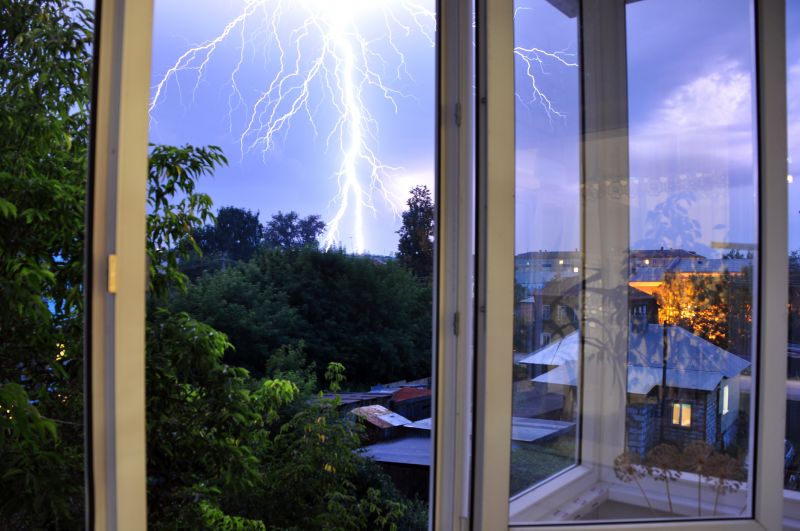
Simple add-ons that improve Storm Restorations without blowing the budget.
| Season | Optimal Timing |
|---|---|
| Spring | Ideal for early repairs before hurricane season |
| Summer | Perform repairs during calmer weather windows |
| Fall | Post-hurricane season for assessments and repairs |
| Winter | Off-peak season for scheduling and planning |
| Post-Storm | Immediately after severe weather events |
Storm restorations are essential for maintaining the safety, integrity, and value of properties affected by severe weather. The process involves evaluating damage, planning repairs, and executing restoration work efficiently. Proper timing ensures that repairs are completed under safe conditions, reducing risks to workers and property owners. Accurate assessment and prompt action can prevent further deterioration and mitigate long-term costs.
Statistics show that timely storm restorations can significantly reduce the extent of damage and associated expenses. For example, addressing storm-related damage within days can prevent secondary issues such as mold growth, structural weakening, and interior damage. The ability to schedule repairs during periods of stable weather also enhances the quality and durability of restoration efforts.
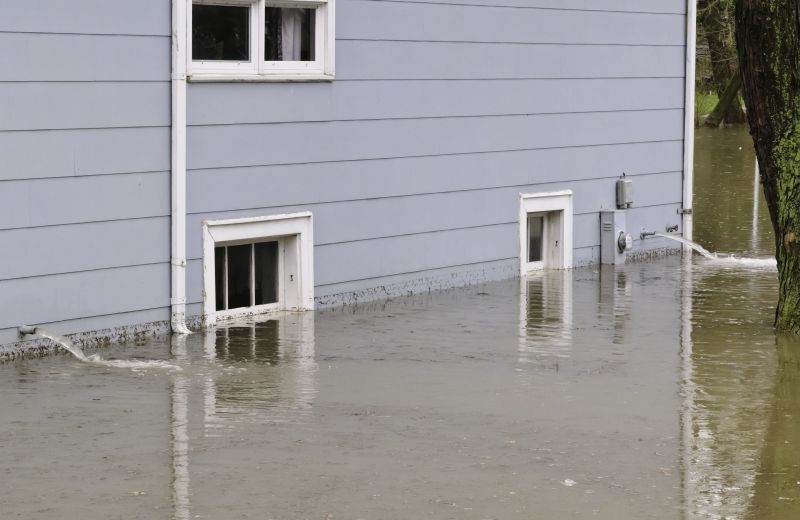
Restoring properties promptly after storms reduces long-term costs.
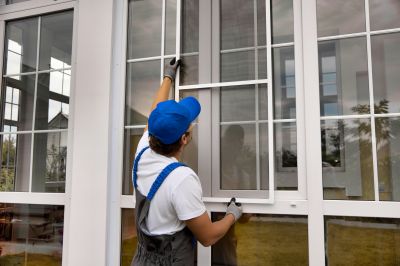
Scheduling during stable weather ensures safety and quality.
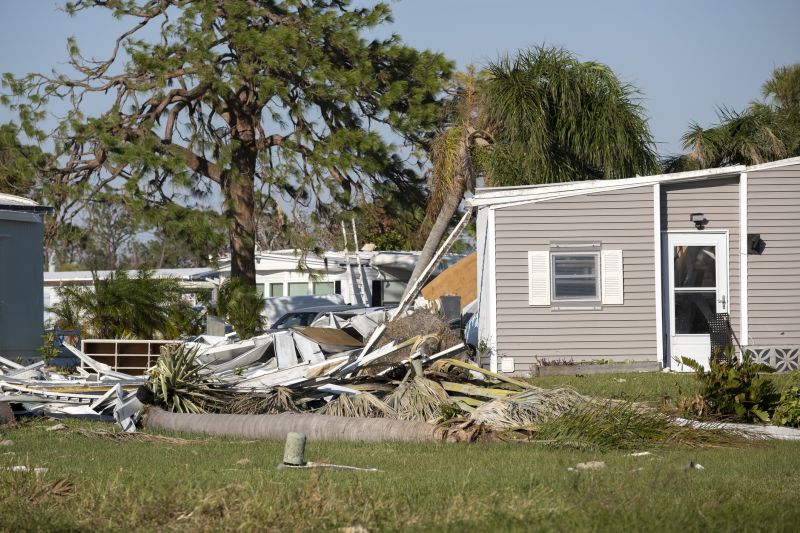
Rapid response minimizes damage escalation.
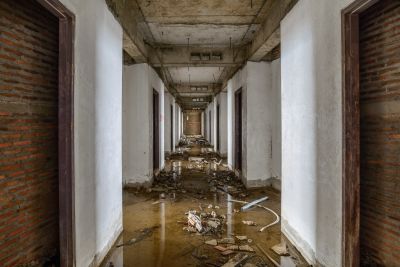
Early assessment guides effective restoration planning.
Those interested in storm restorations are encouraged to contact for more information or to schedule an assessment. Prompt action can help ensure property resilience and safety following severe weather events.